ASEA SEC 8
From Land to Infrastructure: Integrating Property, Construction, and Engineering
Christchurch, New Zealand, April 12-16, 2027
Host: 
Last Updated: July 16, 2026
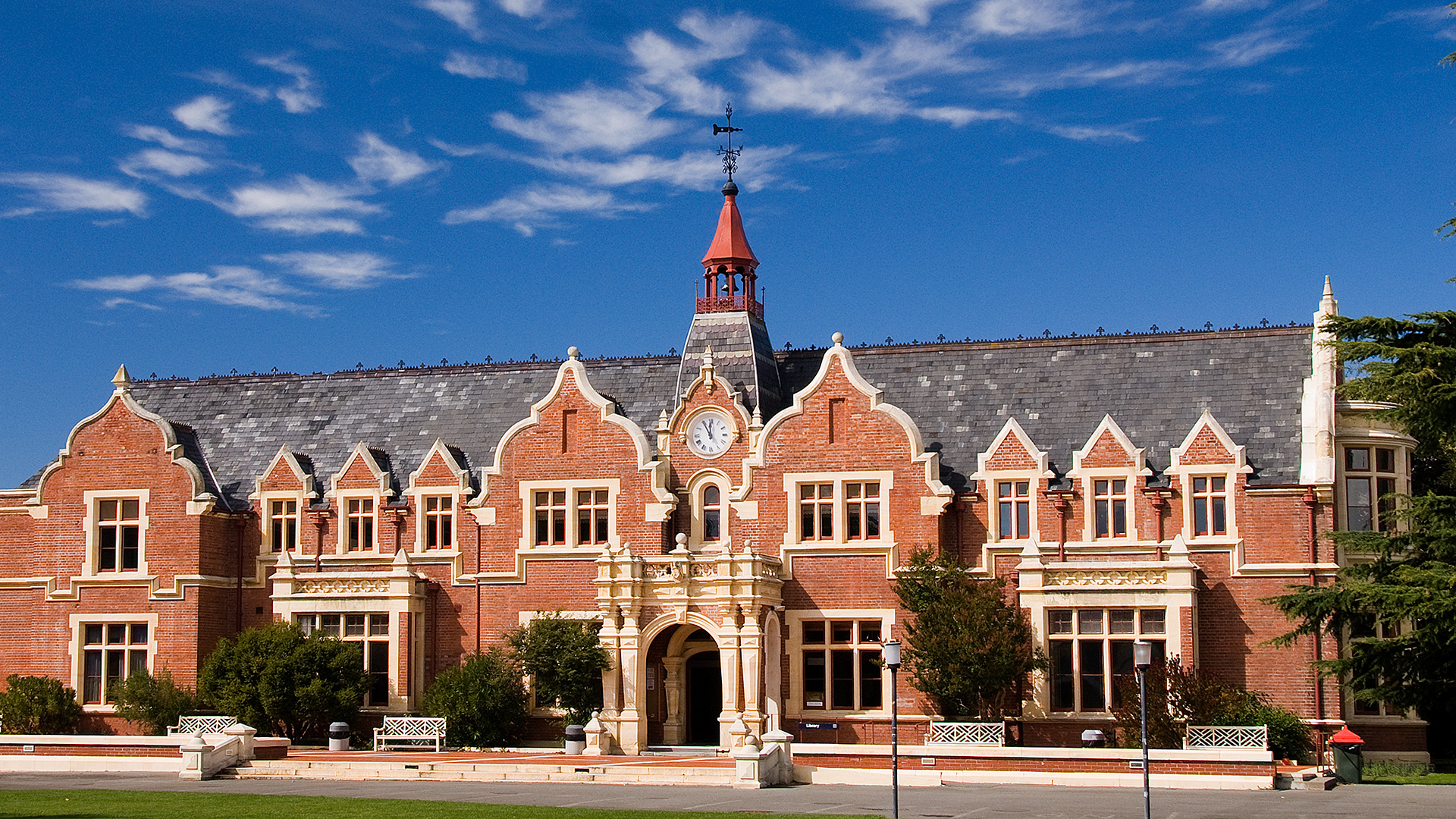 © Lincoln University
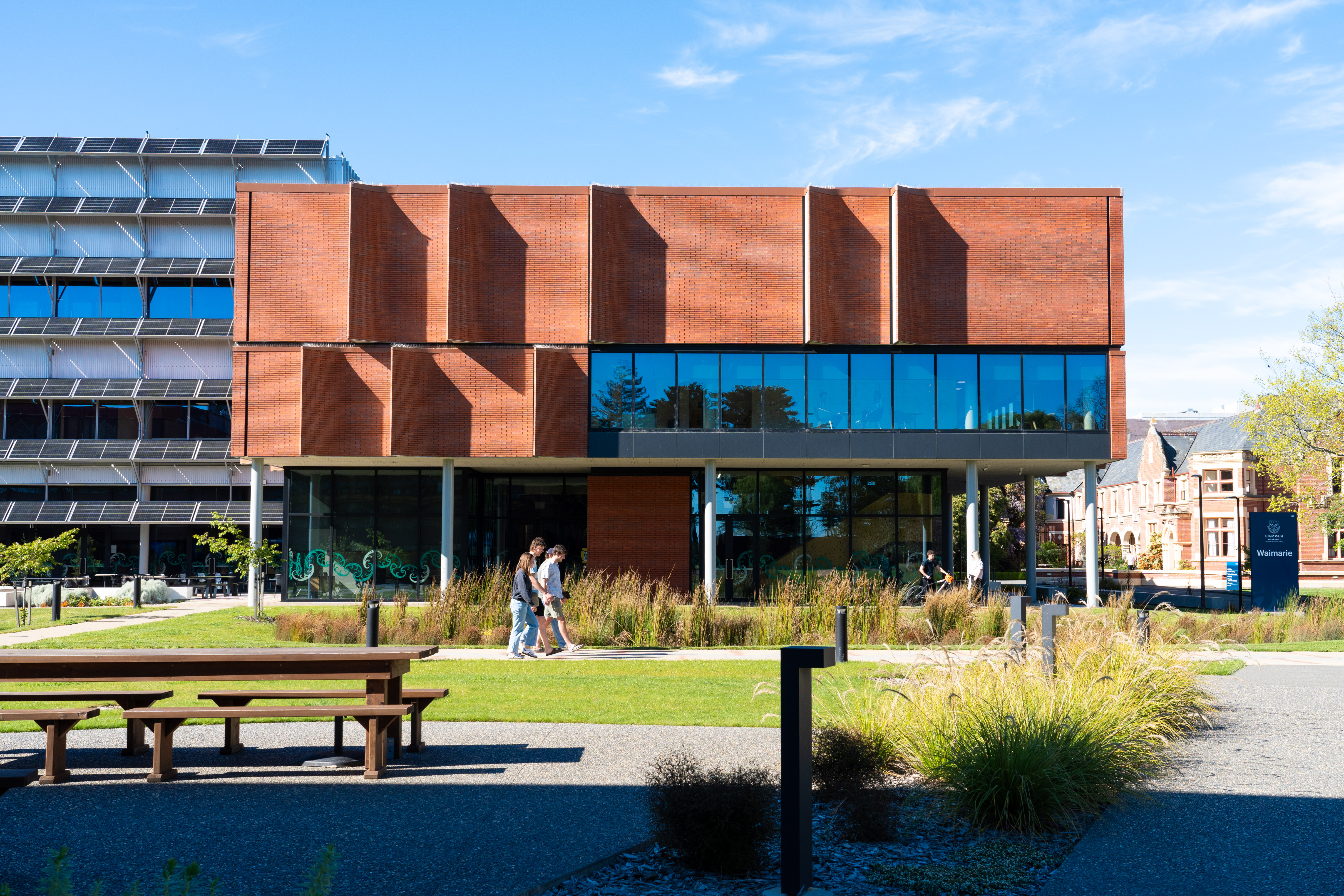 © Lincoln University
About Our Host: Lincoln University
Lincoln University (Te Whare Wānaka o Aoraki) is New Zealand's specialist land-based university, established in 1878. For nearly 150 years, Lincoln has educated generations of researchers, professionals, and industry leaders whose work has shaped the sustainable use and management of land and natural resources. Today, Lincoln is internationally recognised for its excellence in land-based education and research, with particular strengths in land and property, agriculture, environmental management, and sustainable development. Its close-knit community of approximately 4,000 students provides a collaborative and research-intensive learning environment.
Land and Property Leadership
Lincoln University has a long-established reputation as one of New Zealand's leading institutions for land and property education and research. The University offers courses spanning property valuation, property management, building construction, land development, facilities management, urban development, and related disciplines, while maintaining strong partnerships with industry, professional bodies, and government agencies.
The University's Sustainable Property Research Centre (SPRC) serves as a focal point for interdisciplinary research addressing contemporary challenges across the property and construction sectors. The Centre brings together researchers from property, construction, engineering, economics, planning, and environmental disciplines to advance sustainable, resilient, and innovative approaches to the built environment. Research within the SPRC encompasses areas such as sustainable buildings, infrastructure resilience, property markets, asset and facilities management, housing, land development, and the transition to low-carbon and climate- resilient communities.
Research Excellence & Interdisciplinary Collaboration
Lincoln University excels in both fundamental and applied research, delivering practical solutions to complex environmental, economic, and societal challenges. Research is characterised by strong interdisciplinary collaboration and close engagement with industry, government, and community partners.
Key research centres and initiatives include:
- The Sustainable Property Research Centre (SPRC): Driving research at the interface of land, property, construction, and infrastructure to support more sustainable, resilient, and future-ready built environments.
- Centre for Land, Environment and People (LEAP): LEAP helps to integrate knowledge and research from across Lincoln University involving sustainable practices in relation to the environment as well as social and cultural practices.
- The Kāika Institute of Climate Resilience: Advancing Indigenous-led research and innovation to strengthen climate resilience for Māori, Pacific, and Indigenous communities.
- The Centre for Soil and Environmental Research (CSER): Conducting internationally recognised research in soil systems, water quality, greenhouse gas mitigation, and sustainable land management.
- Waterways Centre for Freshwater Management: The centre is a joint partnership between Canterbury and Lincoln Universities, conducting research into a broad range of freshwater management issues.
Together with its research farms, specialist laboratories, and extensive international partnerships, Lincoln University provides an outstanding environment for collaborative research and innovation, making it an ideal host for ASEA-SEC-8 and its interdisciplinary vision of integrating land, property, construction, and engineering.